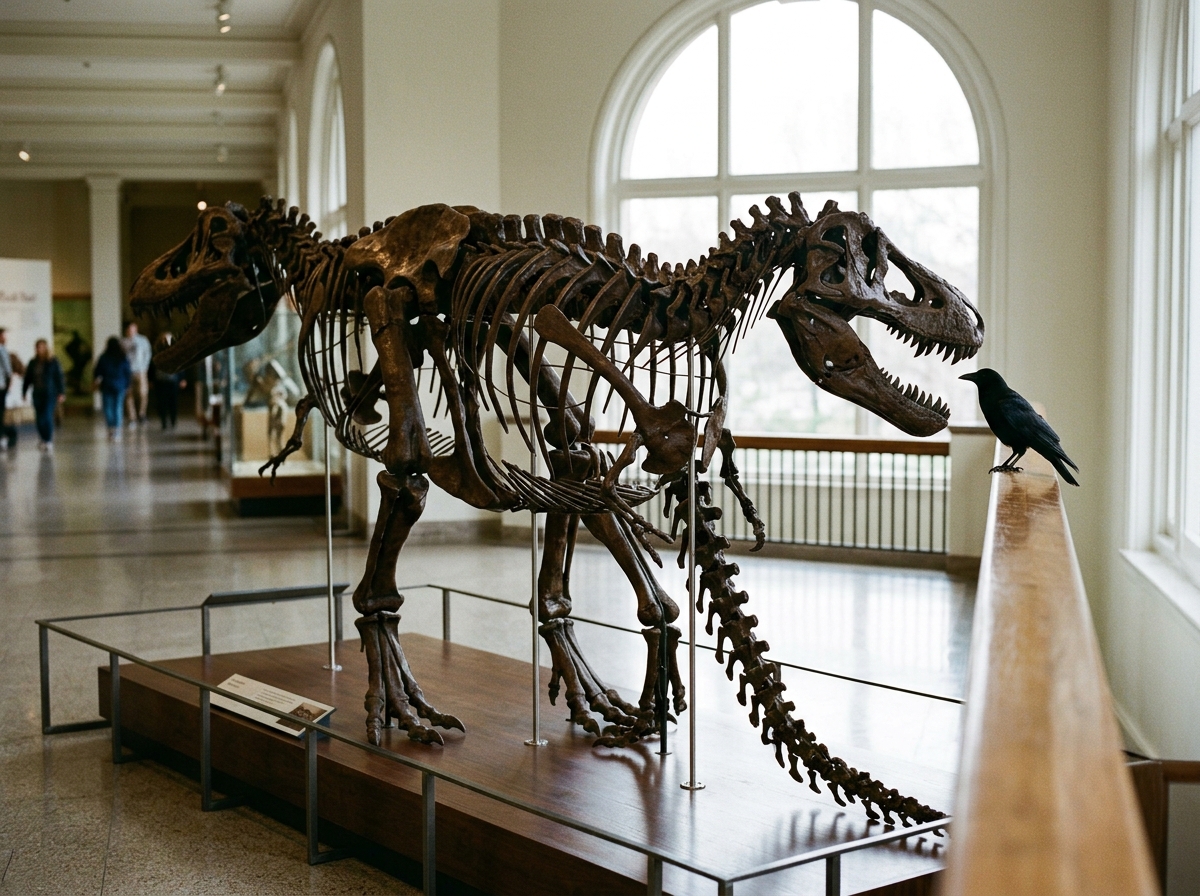
No living bird is an exact copy of a pterodactyl, but several real birds come close enough to the silhouette that people genuinely stop and stare. If you spotted something large, dark, and prehistoric-looking soaring overhead with long pointed wings and barely a wingbeat to spare, you almost certainly saw one of a small group of birds that share that same ancient quality. The most likely candidates are turkey vultures, black vultures, great frigatebirds, great blue herons, or wood storks, depending on where you are and what the bird was doing. This guide will walk you through how to tell them apart. what bird looks like a dragon
What Bird Looks Like a Pterodactyl? Identify the Match

Marcus Whitley
22 Mar 2026
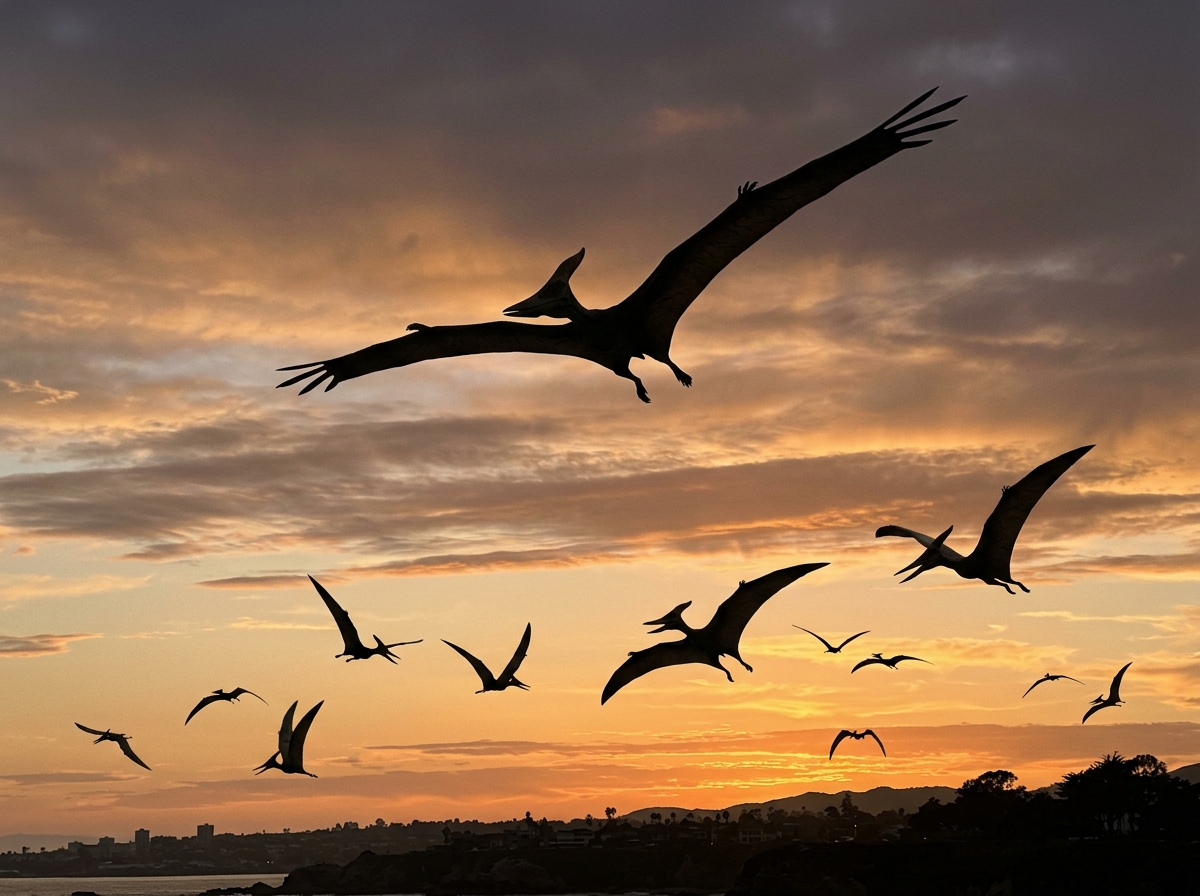
What people actually mean by "looks like a pterodactyl"
When someone says a bird looked like a pterodactyl, they're usually reacting to a cluster of visual traits that feel ancient or reptilian rather than typical-bird-like. It's a gut feeling more than a scientific checklist, but that gut feeling is actually pointing at some very specific things you can use to ID the bird.
The traits that trigger the pterodactyl reaction almost always include at least a few of the following: a very large wingspan relative to the body, long and narrow or pointed wings (not the chunky rounded wings of, say, a crow), a soaring or gliding flight with minimal flapping, dark brown or black plumage, an unusual head shape or beak (hooked, dagger-like, or oversized), and sometimes a trailing neck or legs that make the silhouette look unbalanced in a very non-bird way. Taken together, those features create that prehistoric shadow in the sky that stops you in your tracks.
Start with how it was flying, not what color it was
The single fastest way to narrow down a pterodactyl-like bird is to watch what it does in the air before you look at any color or marking. Flight style separates these birds more clearly than anything else, especially at a distance when color is hard to read.
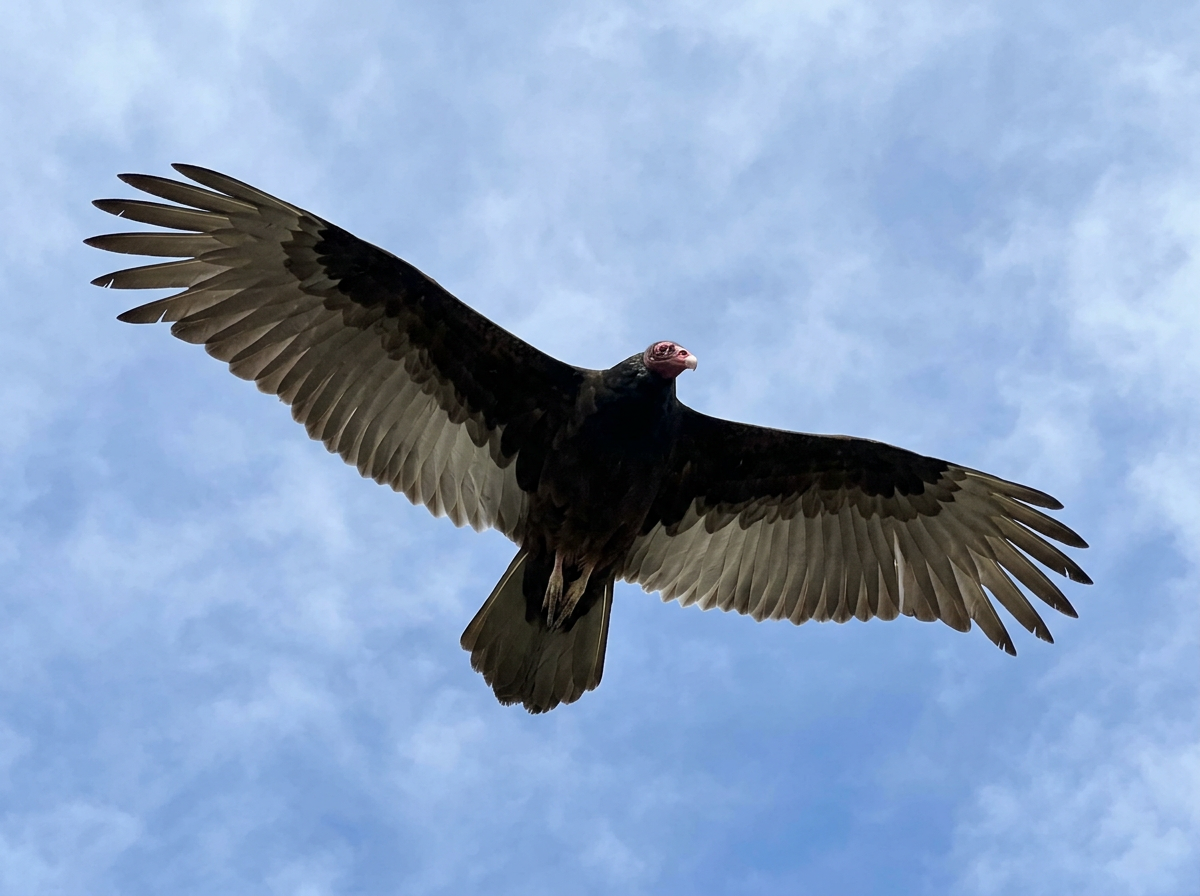
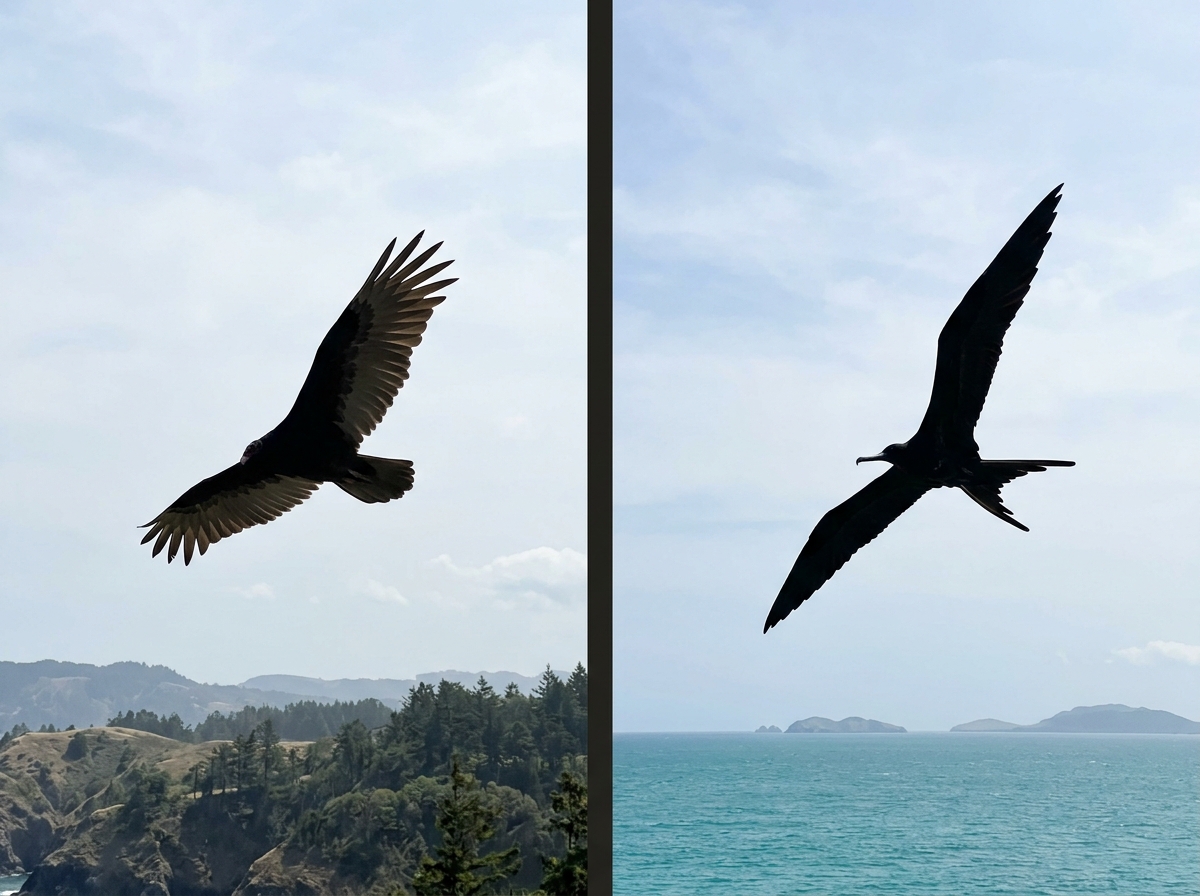
Ask yourself: was it soaring in wide circles with almost no wingbeats, or was it flapping steadily and gliding in between? Turkey vultures are the ultimate no-effort soarers, and watching their wide circles with almost no wingbeats is a fast way to recognize a pterodactyl-like silhouette. They hold their wings in a noticeable shallow V shape (called a dihedral) and rock gently from side to side as they ride thermals, almost like they're balancing on a tightrope. That tipping, rocking motion is a dead giveaway. Black vultures look similar at first glance, but they give several quick, shallow, snappy wingbeats and then glide, rather than the sustained rock-and-soar of the turkey vulture. Frigatebirds are pure soarers too, but their silhouette is dramatically different: think of a huge, angular letter M or W stretched across the sky, with a deeply forked tail hanging below.
If the bird had slow, heavy wingbeats and its neck looked tucked up rather than stretched out, you're almost certainly looking at a great blue heron. Their neck folds into a tight S-curve in flight, their legs trail well past the tail, and their wingbeats are deep and deliberate, almost like slow-motion rowing. That combination of retracted neck and trailing legs is what gives herons their uniquely prehistoric look.
The birds most often mistaken for pterodactyls
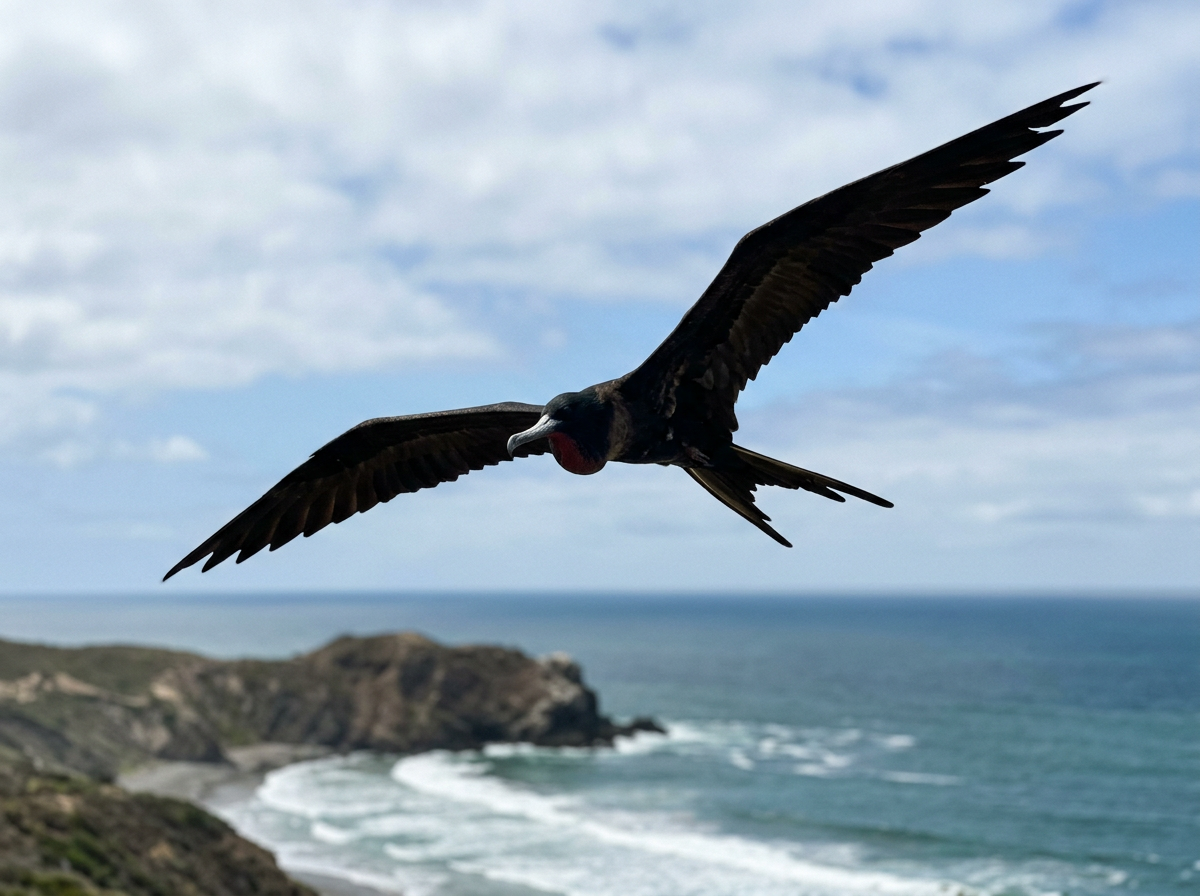
These are the species that come up again and again when people describe a pterodactyl sighting. They span different habitats and regions, so not all of them will apply to where you are, but it's worth knowing all of them before you start ruling things out.
Turkey vulture
The turkey vulture is probably the most commonly misidentified pterodactyl look-alike in North America. It has a wingspan of roughly 5.5 to 6 feet, a small bare red head that's nearly invisible at distance, and holds its wings in that distinctive dihedral V while soaring. From below, the flight feathers show a two-tone pattern: the body and wing coverts are dark, but the flight feathers are silvery gray, which creates a contrast visible even from far away. The rocking, tilting soar is the signature move.
Black vulture
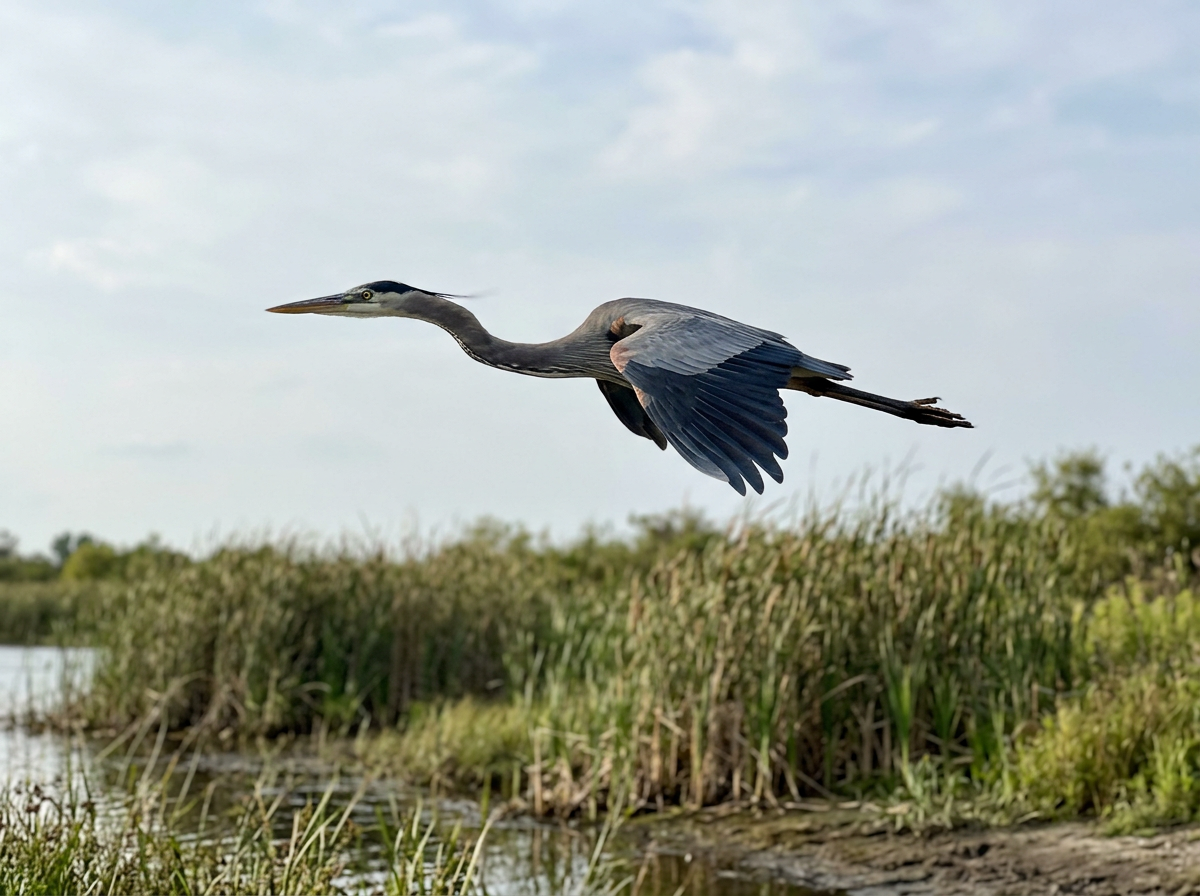
The black vulture is stockier than the turkey vulture with a shorter tail and broader wings that end in a spread of stiff "fingers" at the tips. Its head is unfeathered and dark gray, and in flight you'll notice pale patches at the base of the outer wing feathers that flash white as it flaps. It flaps more frequently than a turkey vulture and holds its wings flatter. Seen at distance soaring together, the two vultures look similar, but the black vulture's compact silhouette and snappier wingbeat give it away.
Great frigatebird (and magnificent frigatebird)
If you're near a coastline, a tropical shore, or out on the water, a frigatebird overhead is absolutely the most pterodactyl-like bird you're likely to see. Their wings are extremely long and narrow and angled at a sharp bend at the wrist, forming that wide open M or W shape. The tail is deeply forked and often held closed into a long point, adding to the angular silhouette. They're predominantly brownish-black, and males have a bright red throat pouch (which inflates during breeding). Frigatebirds are masters of soaring and almost never land on water despite living near the ocean.
Great blue heron
The great blue heron triggers the pterodactyl comparison more than almost any other bird, and it makes complete sense once you see one in flight. Standing, it looks like an elegant wading bird. Flying, it looks like something from the Cretaceous. The neck folds back, the legs extend behind, the broad wings beat slowly, and the overall silhouette is huge and asymmetrical in a way that doesn't read as "bird" to most people's brains. It's bluish-gray with a pale neck and a yellow-orange dagger bill, but in low light or at distance it can look uniformly dark.
Wood stork
The wood stork is a large soaring bird found mainly in the southeastern United States and into Central and South America. It has a bald, dark, wrinkled head on a long neck, broad wings with black flight feathers edging white body plumage, and uses thermals to soar with almost no effort. In flight with the neck extended and legs trailing, it has a distinctly primeval quality. The contrast between the white body and black wingtips is a helpful ID feature when you get a good look.
Large raptors and condors
California condors and Andean condors take the pterodactyl comparison to an extreme: condors have wingspans up to 9 to 10 feet, hold their wings flat while soaring, and have the bare wrinkled heads and dark plumage that make them look genuinely ancient. Large eagles and ospreys can also create that prehistoric impression, especially in silhouette against an overcast sky.
How to pin down the exact species
Once you've watched the flight style, work through these four features in order. They'll get you to a confident ID most of the time.
Wing shape
Look at the overall outline of the wings. Are they long, narrow, and sharply pointed with a pronounced bend at the wrist? That's a frigatebird. Are they broad and almost rectangular with spread "finger" tips? That's a vulture or condor. Are they long and broad with a rounded trailing edge? That's a heron or stork. Wing shape at distance is often the clearest single clue.
Head and neck
In flight, how much head and neck are visible? Vultures have tiny, nearly invisible heads that make the wings look like they're flying on their own. Herons have a clearly visible folded neck creating a bulge below the body. Frigatebirds have a small head with a hooked bill that you can sometimes pick out at the front of that M-shape. Storks fly with their neck extended, which is a useful contrast to herons.
Color pattern
Even broad color patterns help. Turkey vultures show a two-tone underwing (dark front, silvery flight feathers). Black vultures have pale patches near the wingtips only. Frigatebirds are almost entirely dark with potential pale markings on the chest or wing depending on age and sex. Great blue herons are blue-gray with a pale neck. Wood storks are white with black wingtips. These are all visible at reasonable distances.
Habitat and setting
Where you are matters a lot. Near the coast or out at sea, frigatebirds jump to the top of the list. Over wetlands, rivers, or lakes, great blue herons are extremely common. In open fields, farmland, or roads (especially near roadkill), vultures are your most likely candidates. Inland forest edges and cliffs are condor and raptor territory. The habitat alone can cut your possibilities in half before you even look at the bird.
Side-by-side comparison of the main candidates
| Bird | Wing shape | Flight style | Head/neck in flight | Key color clue | Habitat |
|---|---|---|---|---|---|
| Turkey vulture | Long, broad, two-toned | Soaring V dihedral, rocks side to side | Tiny bare red head | Silvery gray flight feathers from below | Open country, roads, farmland |
| Black vulture | Broad, short tail, finger tips | Snappy flaps then glide, flat posture | Tiny bare dark gray head | White flash near wingtips only | Similar to turkey vulture, often together |
| Great frigatebird | Very long, narrow, sharp M-shape | Effortless soaring, rarely flaps | Small hooked bill visible at front | Almost entirely dark; red pouch on males | Coastlines, tropical oceans |
| Great blue heron | Long, broad, rounded | Slow deep wingbeats, glides briefly | Neck folded in S; legs trail behind | Blue-gray overall, yellow-orange bill | Wetlands, rivers, lakes, coasts |
| Wood stork | Very broad with black wingtips | Soars on thermals, neck extended | Bare wrinkled dark head, neck out | White body with black flight feathers | Southeastern wetlands, swamps |
| California condor | Massive, broad, flat soar | Flat-winged soaring, minimal flapping | Bare orange/red head | Black with white wing patches | Cliffs, canyons, open terrain |
Quick field checklist: what to note when you spot one
If you're watching the bird right now, or trying to remember what you saw, run through these points in order. The more of these you can answer, the more confident your ID will be.
- How big is it? Compare it mentally to a crow, a red-tailed hawk, or a goose if you can.
- What shape are the wings? Long and narrow with a sharp bend, or broad and rectangular?
- What posture does it hold while soaring? V-shape dihedral, flat, or angled M?
- Is it flapping or mostly gliding? If flapping, how often and how deep are the beats?
- Does it rock or tip side to side in the air?
- Can you see a head or neck? Is the neck tucked in or extended? Is there a visible bill shape?
- What color is the underside of the wings? Two-tone, all dark, or pale with dark tips?
- Is there a forked tail, rounded tail, or very short tail?
- Where are you? Coastline, wetland, open field, or forested area?
- What time of day is it? Thermals build mid-morning, so soarers are most active late morning to afternoon.
How to confirm what you saw
Photos are your best friend here, but they need to be the right kind of photos. A single shot of a bird high overhead often isn't enough. If you get another chance, try to capture the underwing pattern (shoot from below when it banks), the head shape, and at least one or two frames of it mid-flap so you can see how the wings flex. Short video clips are even better because you can review the wingbeat cadence and rocking motion that are so diagnostic for vultures.
Once you have a photo or a clear mental image, start with the silhouette. Pull up a visual reference that shows birds organized by shape and flight posture rather than by taxonomy. Looking at the outline of wings and body against a plain background is often more useful than looking at color plates, especially if your sighting was at distance or in low light.
Cross-reference your habitat notes with your silhouette match. If you saw an M-shaped soarer over the Gulf Coast, that's almost certainly a frigatebird. If you saw a V-soarer rocking over a field in the Midwest, turkey vulture is a near certainty. If the wings were broad and the neck was tucked in with legs trailing over a marsh, you saw a great blue heron, full stop. The combination of shape, flight style, and habitat narrows it down fast.
For the truly prehistoric-looking birds, it's also worth reading up on what makes each species' silhouette unique across seasons and ages, since juvenile birds can look noticeably different from adults (frigatebirds especially take years to develop their adult plumage). Visual guides that show multiple ages and angles of the same bird are particularly useful when your sighting was brief. If you're also curious about other birds that carry that dinosaur-era look, the same identification approach applies to [dragon-like birds](/red-and-distinctive-birds/what-does-a-raptor-bird-look-like) and other prehistoric-looking species that share overlapping traits with the ones covered here.
The bottom line is this: there is no single bird that is a pterodactyl, but there are several birds that will make your brain reach for that word because they've genuinely preserved a visual quality that feels ancient. Once you know what the silhouette is actually telling you, identifying them becomes straightforward and honestly pretty satisfying.
FAQ
If it looked like a pterodactyl, does that mean it was definitely one of the birds listed (vultures, frigatebirds, herons, wood storks)?
Not necessarily. The silhouette cues can also fit large raptors in certain lighting (for example, condors or large eagles against an overcast sky) and even some other soaring birds depending on distance. The safest approach is to prioritize flight style first, then wing shape, then habitat.
What should I check if I only saw the bird for a few seconds?
Focus on one “anchor” observation: wingbeat cadence (almost no flapping versus steady flaps) and whether the neck appears tucked or extended. Even with no color visible, that combination usually separates turkey vulture-like soarers from heron-like neck-fold silhouettes and from frigatebird-like M-shaped profiles.
How can I tell a turkey vulture from a black vulture if I missed the wingbeat motion?
Try to look for head visibility and underwing contrast. Turkey vultures often look like they have an almost invisible head from below and show a two-tone underwing pattern with darker body areas and silvery flight feathers. Black vultures tend to show more frequent, snappier wingbeats and can flash pale patches near the outer wing base.
What if the bird’s color looked uniformly dark, could it still be a wood stork or a frigatebird?
Yes, especially at distance or in low light. Wood storks can look darker when the white body is washed out by shadow, and frigatebirds can appear nearly all dark if you did not catch the throat pouch or chest markings. In those cases, wing shape (broad stork wings with contrasting wingtips versus narrow M/W wings for frigatebirds) matters more than color.
I saw something M-shaped over water, but it also seemed to have a long neck. How do I avoid mixing up a frigatebird and a heron?
Use tail and neck posture. Frigatebirds typically show a strongly angular M or W with a deeply forked tail held toward a point, and they usually do not land on water. Great blue herons show a more heron-like outline with the neck folded into an S-curve and legs trailing beyond the tail, often over wetlands rather than open water.
Can juveniles throw off the ID, especially for frigatebirds?
Yes. Juvenile frigatebirds can look less dramatically patterned and more uniformly dark than adults, so you may miss expected markings like the red throat pouch. Wing shape and flight mechanics remain the best anchors: narrow, sharply angled wings and that extreme angular silhouette.
If the bird was soaring with almost no flapping, could it be a pterodactyl look-alike even if I did not see a dihedral V?
It could. The dihedral (shallow V) is common for turkey vultures, but glare, distance, or the bird’s bank angle can hide it. If dihedral is unclear, compensate by checking wing tip “shape” (pointed versus broader rounded) and whether you see a rocking side-to-side thermal ride.
How do I tell a condor from a vulture if both seem large and dark?
Look at wing outline and wing hold. Condors tend to hold wings more flat while soaring, with an even, very broad wingspan that can feel heavier and more rectangular from far away. Vultures more often show a distinct V-shaped wing posture and underwing contrast patterns that help separate turkey versus black.
What’s the easiest way to confirm after the fact using photos?
Take advantage of the best frames, not the easiest ones. Crop and compare: (1) one frame with the widest wing outline, (2) one frame when it banks so you can see the underwing pattern or wing tip shape, and (3) one mid-action frame to judge wingbeat cadence. If you only have a single high overhead image, your confidence should stay lower than if you have banking or mid-flap views.
Are there any safety or legal considerations if I want closer photos of a large soaring bird?
Yes. Don’t approach nests or roosting sites, and avoid getting too close to aggressive species. For filming, use a safe distance with zoom rather than walking toward the bird, and keep your attention on footing and surroundings, especially near roads or cliffs.
Next Article
Did T. rex Look Like a Bird? Similarities vs Differences
Did T. rex look like a bird? Compare feathers, head, posture, arms, tail, and feet with clear similarities vs difference